_edited.png)
Matcha Is Having a Main Character Moment (and Coffee Is Getting Side-Eyed)


Picture the usual scene. Someone walks into a café, scans the menu, and instead of ordering the same old latte, they say the words that now launch a thousand Instagram Stories: “Iced matcha, oat milk, please.”
Matcha has gone from niche tea-ceremony staple to everyone’s favorite green drink. Coffee, the beverage that held the throne for centuries, suddenly feels a little... so 2015. So what happened?
First, Let’s Be Fair to Coffee
Coffee isn’t going anywhere. Industry voices note that coffee is still about 50 times the size of the global matcha industry. Matcha is the rising star, not the new queen. gcrmag
But “overrated”? That’s the vibe a lot of people are feeling, and there are real reasons.

Why Coffee Is Starting to Feel Overrated
The jitters are real. Caffeine is a stimulant, and at higher doses it can bring on nervousness, a racing heart, and that wired-but-tired feeling. A well-known review by Andrew Smith (2002) in Food and Chemical Toxicology covers how caffeine affects mood and behavior, including increased anxiety in some people at higher intakes.
The crash is also real. You know the one. You’re flying at 10 a.m., then staring at your screen at 2 p.m. wondering why you’re so tired.
Coffee became a personality trait. “I can’t function without my coffee” used to be a joke. Now plenty of people are asking whether being dependent on a cup is something to brag about. Cue the wellness crowd, looking for a gentler routine.
Enter Matcha: The Calm-but-Focused Friend
Matcha is powdered green tea leaf. Because you whisk the whole leaf into your drink instead of steeping and discarding it, you get more of what’s in the plant. A 2020 analysis by Koláčková and colleagues in Plant Foods for Human Nutrition found matcha to be rich in polyphenols and catechins with strong antioxidant activity.
But the real star is L-theanine, an amino acid found in tea leaves, especially shade-grown ones like matcha. It’s the reason matcha earns the nickname “calm energy.” Here’s what research says:
Haskell et al. (2008), Biological Psychology: In this study, L-theanine combined with caffeine improved accuracy on attention-switching tasks and reduced distractibility.
Owen et al. (2008), Nutritional Neuroscience: Researchers found the theanine-caffeine combo improved performance and alertness on demanding cognitive tasks.
Kimura et al. (2007), Biological Psychology: Participants who took L-theanine had a lower heart-rate response to a stressful mental task than those who didn’t.
Dietz, Dekker & Piqueras-Fiszman (2017), Food Research International: This intervention study tested matcha itself, as a drink and in a snack bar, and found modest benefits for attention-related performance.
Matcha also typically has less caffeine per serving than a cup of coffee. Exact amounts vary a lot with how much powder you use, but think roughly 30 to 70 mg for matcha versus around 95 mg for a standard brewed coffee. Less caffeine plus L-theanine means a smoother ride for many people: alert, but not vibrating.

A little reality check: These studies are mostly small and short-term, and several tested isolated L-theanine rather than a matcha latte from your corner café. So matcha isn’t magic. But the “calm energy” idea has genuine science behind it, which is more than most trends can say.
Why Gen Z Is Leading the Matcha Wave
Gen Z didn’t just discover matcha. They turned it into a movement. Here’s why it fits them so well.
1. It’s Wellness-Coded
Gen Z grew up with open conversations about anxiety, burnout, and mental health. A drink that promises focus without the frazzled feeling matches how they think about self-care. Market analysts point out that Gen Z sees matcha as healthier than coffee, and that it suits wellness-focused food trends. tastewise
2. It’s Gorgeous on Camera
Let’s be honest: a vivid green iced latte with swirling milk is content. Matcha is built for the feed. Global Coffee Report points to social media as the main driver of the trend, with Gen Z as the catalyst. Even the formats are made for scrolling. One Gen Z beverage trend report tracked “matcha cloud” drinks growing 117%, calling them a high-growth visual and functional format. gcrmagtastewise
3. It’s Customizable
Gen Z loves a drink that’s theirs. Strawberry matcha, coconut matcha, pistachio matcha, matcha with cold foam: the options are endless. A Perfect Daily Grind piece on Gen Z’s coffee habits describes their preferences as customized, cold, and colorful, with iced matcha as the go-to option. Cold drinks matter too: third-party data cited by The Coffee Club says 56% of Gen Z beverage orders are cold drinks. perfectdailygrindgcrmag
4. It Feels Like a Ritual, Not a Refuel
Coffee is often about getting through the day. Matcha is about pausing. Whisking a bowl, scooping the powder, even just shaking it up in a bottle feels more intentional. For a generation that values mindfulness and “romanticizing” small daily moments, that matters.
5. It Lets Them Opt Out of “Hustle Culture”
Coffee culture grew up with the idea that more caffeine equals more productivity. Many Gen Z consumers push back on that and prefer sustainable energy over grinding. Matcha’s gentler profile matches the mood.
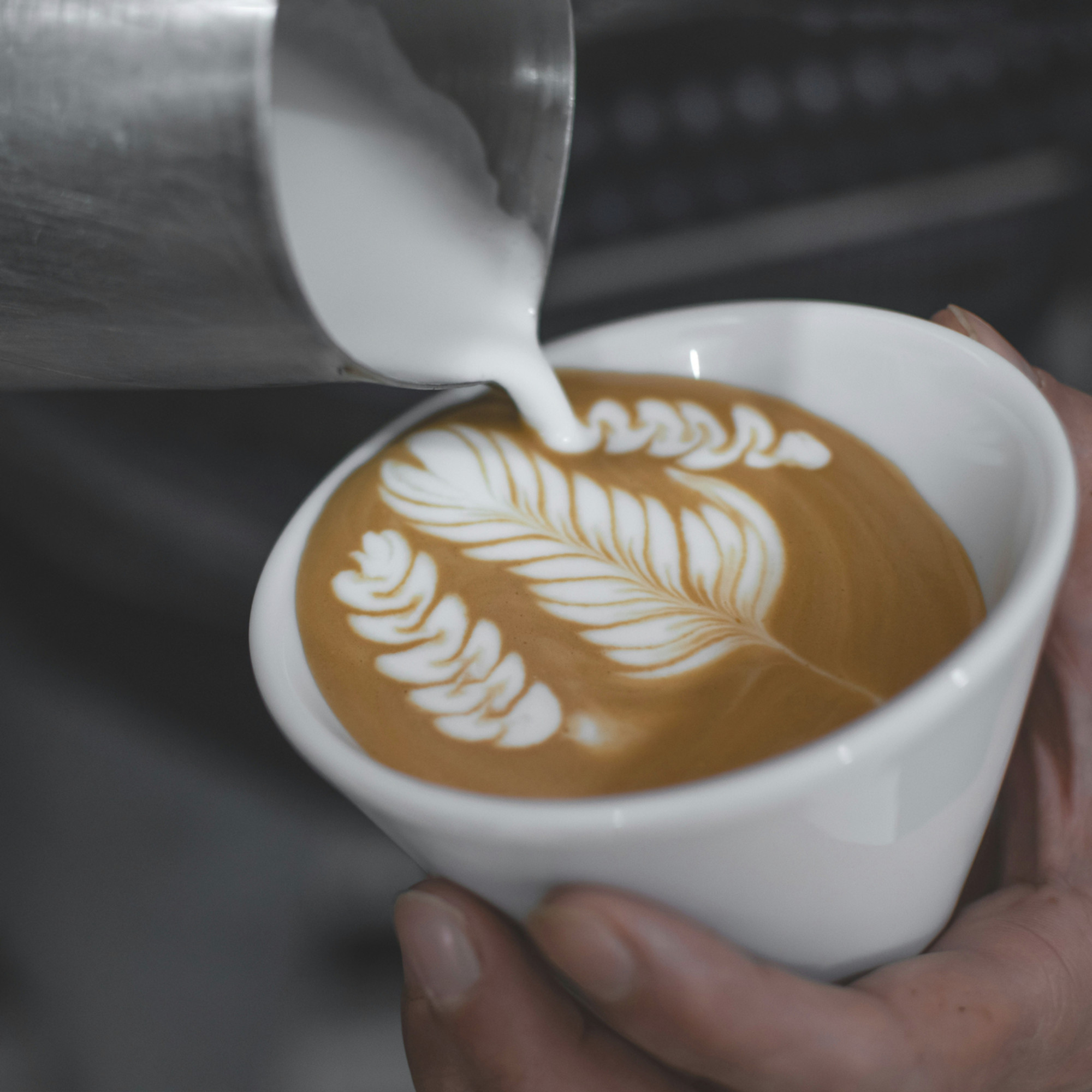
But Is Gen Z Really Done With Coffee?
Not quite, and this is where the story gets interesting. Gen Z isn’t running from coffee so much as mixing it up.
André Eiermann’s Gen Z and Coffee survey, covering consumers in more than 30 countries, found that most respondents drink coffee at home, and that 41% prefer filter coffee. That’s hardly an anti-coffee generation. One trend roundup puts it well: Gen Z moves fluidly between coffee, tea, and alternatives, with cold brew in the morning and a matcha lemonade in the afternoon. perfectdailygrind23stcoffee
So the honest summary isn’t “matcha beat coffee.” It’s “matcha joined the lineup, and it’s winning a lot of hearts.”
Which caffeine you like best?
I love Matcha so much!
1000% coffee all the way!
Should You Switch? A Quick Guide
Choose matcha if:
Coffee makes you jittery or anxious
You want steady focus without a big crash
You love a drink that doubles as a little ritual (and a pretty photo)
Stick with coffee if:
You adore the taste and it works for you
You need a stronger caffeine kick
You find matcha too earthy or grassy (it’s an acquired taste!)
Or do both. Coffee in the morning, matcha in the afternoon. Nobody’s checking your loyalty card.
Pro tips for first-timers:
Start with a latte, since milk softens the grassy flavor
Choose ceremonial grade for sipping, culinary grade for baking and smoothies
Skip the sugar-heavy café versions if you’re watching intake; some are basically dessert in a cup

The Final Sip
Matcha’s rise isn’t just hype. It’s a mix of real science on calm focus, a generation that cares about wellness, and a drink that happens to look amazing on camera. Coffee still holds its crown by a landslide, but it’s no longer the only option on the menu, and that’s a good thing for anyone who ever felt like they had to drink it.
Whether you’re team matcha, team coffee, or team “both, please,” the best cup is the one that makes you feel good.
By Pamela | Ladies Turf Editor
References
Haskell, C. F., et al. (2008). The effects of L-theanine, caffeine and their combination on cognition and mood. Biological Psychology.
Owen, G. N., et al. (2008). The combined effects of L-theanine and caffeine on cognitive performance and mood. Nutritional Neuroscience.
Kimura, K., et al. (2007). L-Theanine reduces psychological and physiological stress responses. Biological Psychology.
Dietz, C., Dekker, M., & Piqueras-Fiszman, B. (2017). An intervention study on the effect of matcha tea, in drink and snack bar formats, on mood and cognitive performance. Food Research International.
Koláčková, T., et al. (2020). Matcha tea: Analysis of nutritional composition, phenolics and antioxidant activity. Plant Foods for Human Nutrition.
Smith, A. (2002). Effects of caffeine on human behavior. Food and Chemical Toxicology.
Industry and trend sources: Global Coffee Report, “Matcha’s moment with younger gen” (gcrmag.com); Perfect Daily Grind, “What does Gen Z actually want from specialty coffee?” (2026); Tastewise, “Matcha Trends and Statistics in 2026” and “2026 Gen Z Beverage Trends”; 23rd Street Coffee Co., “2026 Coffee and Tea Trends.”

Comments